Leaving a rehabilitation facility is an important milestone in recovery, but it can also bring new challenges. While rehab provides structured support, returning home often requires patients and families to manage daily routines, medications, and follow-up care on their own. This is why home care after rehab can be so important for ongoing recovery.
A smooth transition from rehab to home is essential for continued recovery, safety, and long-term success. With the right support and planning, individuals can regain confidence and maintain progress in the comfort of their own home.
Understanding the Transition Home
After rehab, individuals may still be regaining strength, mobility, and independence. Even simple daily tasks can feel overwhelming at first. Without proper support, there is an increased risk of setbacks, falls, or hospital readmission.
Creating a structured, supportive environment at home helps bridge the gap between rehab and full independence.
Medication Reminders and Routine Support
Medication management is one of the most important aspects of recovery. After rehab, individuals are often prescribed new medications or changes to existing ones.
Staying on schedule is essential. Missed doses or confusion around medications can slow recovery or lead to complications. Having consistent reminders and support with daily routines helps ensure medications are taken correctly and consistently.
Assistance with Personal Care
Tasks such as bathing, dressing, and grooming can be more difficult after a rehab stay, especially for individuals recovering from surgery, illness, or injury.
Support with personal care helps maintain hygiene, dignity, and comfort while reducing the risk of strain or injury during recovery and is an important element of home care after rehab.
Mobility and Walking Assistance
Safe movement is critical after rehab. Weakness, balance issues, or fatigue can increase the risk of falls.
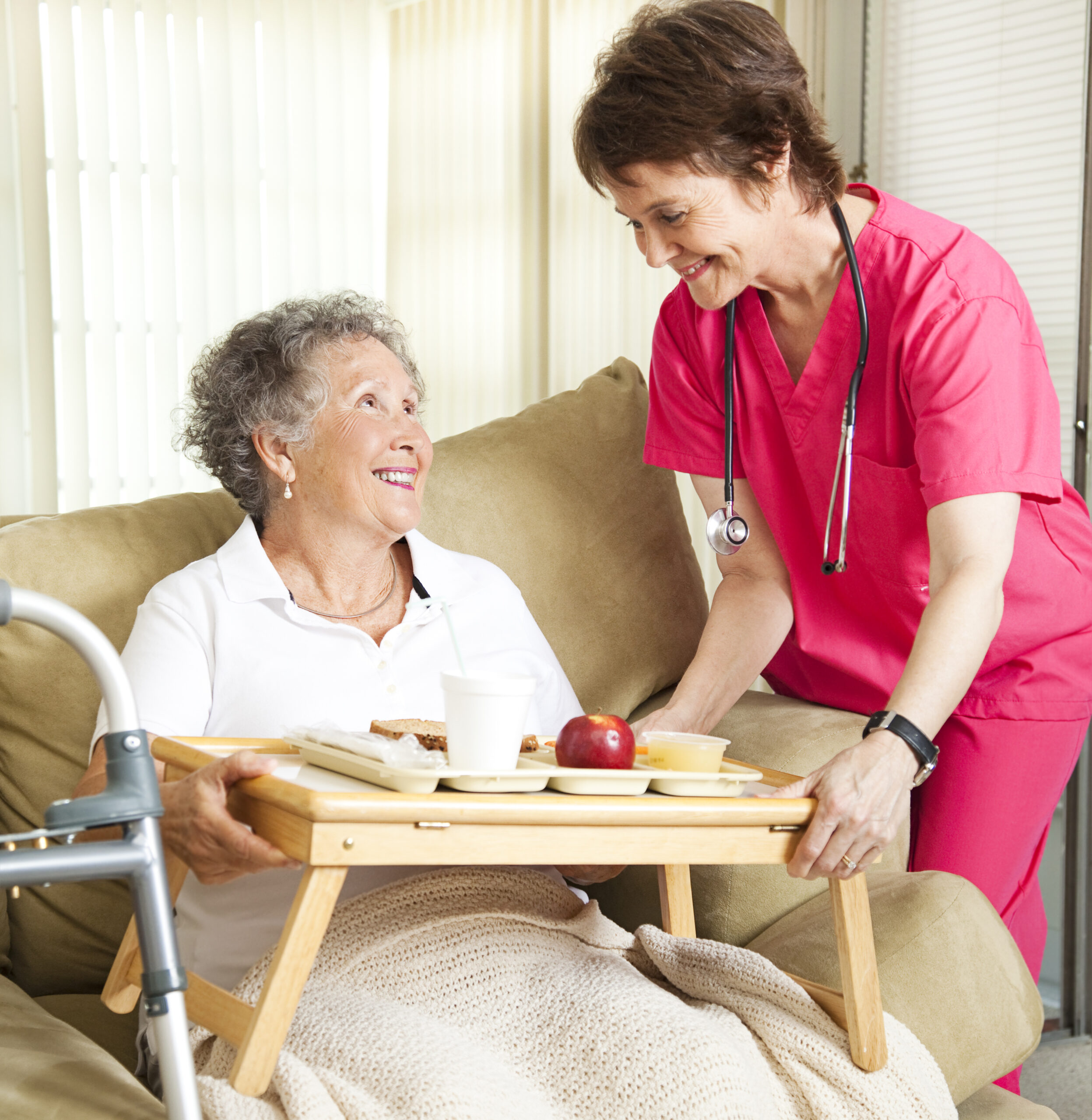
Having assistance with walking, transfers, and general mobility provides added safety and confidence. It also encourages continued movement, which is key to rebuilding strength and maintaining progress made during rehab.
Transportation to Follow-Up Appointments
Follow-up appointments with doctors, therapists, or specialists are an essential part of the recovery process. These visits help monitor progress and adjust care as needed.
Reliable transportation ensures appointments are not missed and that recovery stays on track. This service is commonly part of home care after rehab.
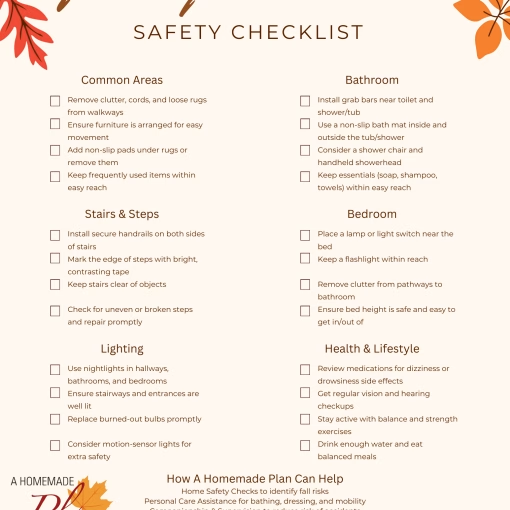
Creating a Safe Home Environment
Safety at home plays a major role in preventing setbacks. This may include:
- Removing tripping hazards
- Ensuring proper lighting
- Setting up commonly used items within easy reach
- Monitoring for fall risks
Even small adjustments can make a significant difference in overall safety and confidence.
Emotional Support and Encouragement
Recovery is not just physical, it’s emotional as well. Adjusting to life after rehab can feel frustrating or discouraging at times.
Companionship, encouragement, and reassurance can help individuals stay positive and motivated throughout their recovery journey.
How A Homemade Plan Can Help
At A Homemade Plan, we understand that the transition from rehab to home is a critical time. With the right support in place, individuals can continue their recovery safely while maintaining independence in a familiar environment. For anyone seeking guidance on home care after rehab, our team is ready to support your needs.
Having consistent, compassionate support at home can make a meaningful difference, not only in recovery but in overall peace of mind for both clients and their families.
If you have questions about home care or how to support a loved one after a rehab stay, we’re here to help.
You can schedule a call with our team here: