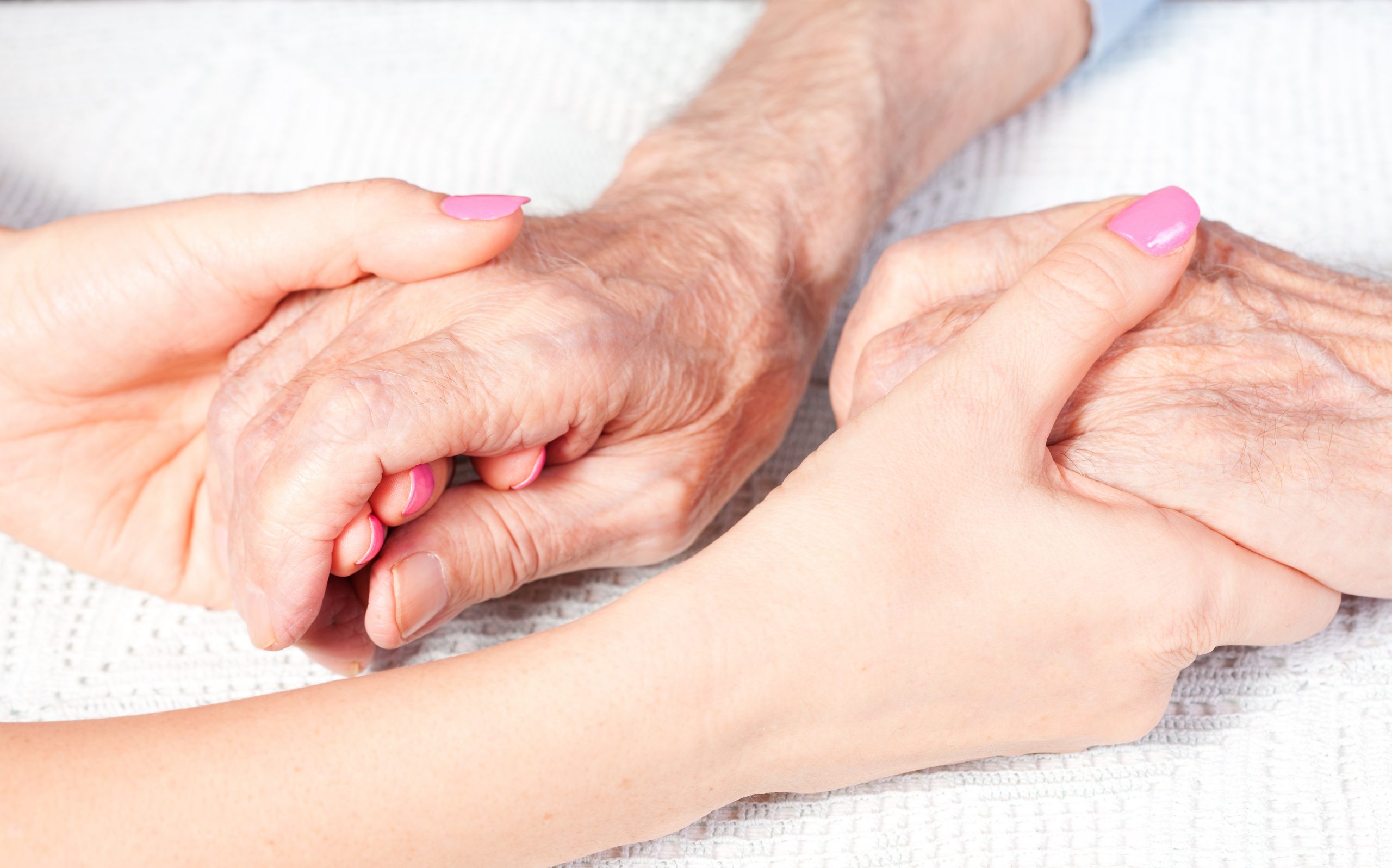

Caring for a loved one is an act of love, dedication, and commitment, but it can also be physically and emotionally demanding. That’s why it’s so important to focus on Caregiver Burnout Prevention. Family caregivers often put their own needs aside while focusing on the well-being of others. Over time, this can lead to caregiver burnout, a state of exhaustion that affects both physical health and emotional resilience.
Recognizing the signs of burnout and knowing when to seek support are essential steps in maintaining balance and long-term well-being.
Understanding Caregiver Burnout
Caregiver burnout can develop gradually and may look different for everyone. Common signs include ongoing fatigue, irritability, difficulty sleeping, feelings of overwhelm, or withdrawing from social activities. Some caregivers may experience guilt for feeling tired or frustrated, even though these emotions are very common.
Burnout doesn’t mean you’re doing something wrong; it’s often a sign that you’ve been doing too much alone for too long.
Why Self-Care Matters
Taking care of yourself is not selfish; it’s necessary. When caregivers neglect their own health, it becomes harder to provide consistent, compassionate care. Prioritizing self-care helps caregivers stay emotionally present, make better decisions, and maintain their own health.
Simple steps such as eating regular meals, staying hydrated, getting rest, and taking breaks can make a meaningful difference over time.
Practical Respite Strategies
Respite care offers caregivers temporary relief by allowing someone else to step in and provide care. This time away can be used to rest, attend appointments, reconnect with friends, or simply recharge.
Some practical ways caregivers can create respite include:
- Scheduling short breaks throughout the week
- Asking family members or friends for help
- Utilizing community resources or support groups
- Planning regular time for hobbies or relaxation
Even a few hours of relief can help restore energy and perspective.
The Importance of Emotional Support
Caregiving can feel isolating. Staying connected with others, whether through conversations with friends, caregiver support groups, or professional resources, can help caregivers feel understood and supported. Sharing experiences often reduces stress and reminds caregivers they are not alone.
How A Homemade Plan Can Help
At A Homemade Plan, we recognize that caring for a loved one is a shared journey. Home care can provide families with additional support, whether on a short-term basis or as part of an ongoing care plan. Having dependable help in the home allows caregivers the time and space they need to rest, recharge, and care for themselves.
Caring for yourself is one of the most important ways to care for the person you love. By recognizing burnout early and exploring respite options, family caregivers can continue their role with strength, compassion, and balance.